what causes ketotic hypoglycemia Use of glucagon and ketogenic hypoglycemia : ketosis and the ketogenic
Possible post:
Are you struggling with hypoglycemia or interested in the ketogenic diet? Let’s explore some insights from recent research on these topics.
Hypoglycemia: symptoms and causes
 If you have hypoglycemia, your blood sugar level is too low, often below 70 mg/dL. This can cause various symptoms, such as:
- Sweating
- Trembling
- Dizziness
- Confusion
- Headache
- Irritability
- Fatigue
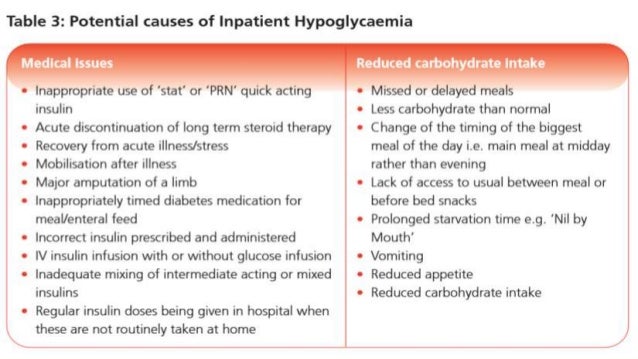
Hypoglycemia can be caused by various factors, such as:
- Drinking alcohol without eating enough
- Skipping meals or snacks
- Taking too much insulin or other diabetes medications
- Being physically active without adjusting your food intake or medicine dose
- Having certain medical conditions, such as liver or kidney failure, adrenal insufficiency, or pancreatic tumors
If you experience frequent or severe episodes of hypoglycemia, don’t ignore them or try to treat them on your own. Talk to your doctor to determine the underlying cause and the best treatment plan for you.
Ketogenic diet and hypoglycemia
 The ketogenic diet is a high-fat, low-carbohydrate, and moderate-protein diet that aims to induce the metabolic state of ketosis, in which your body produces and uses ketones as an alternative fuel source to glucose. This can have various health benefits, such as:
- Weight loss
- Better blood sugar control
- Reduced inflammation
- Improved cognitive function
- Lower risk of certain diseases, such as epilepsy, cancer, and Alzheimer’s disease
However, the ketogenic diet can also cause hypoglycemia, especially in the early stages or if you have diabetes or other medical conditions that affect your insulin sensitivity or glucose metabolism. This is because the ketogenic diet restricts your carbohydrate intake, which is the primary source of glucose in your diet and body.
To avoid or manage hypoglycemia on the ketogenic diet, you may need to:
- Gradually reduce your carbohydrate intake to minimize the shock to your body
- Monitor your blood sugar and ketone levels regularly to track your progress and adjust your diet or medication accordingly
- Eat more high-fiber, low-glycemic, and nutrient-dense foods, such as non-starchy vegetables, nuts, and seeds
- Drink enough water and electrolytes to support your metabolism and prevent dehydration and electrolyte imbalances
Remember, the ketogenic diet is not suitable for everyone, and you should consult your doctor before trying it, especially if you have diabetes, high blood pressure, liver or kidney problems, or other health concerns.
What do you think about hypoglycemia and the ketogenic diet? Have you tried them? Share your thoughts and experiences in the comments below!
If you are searching about Hypoglycemia - Symptoms And Causes you’ve came to the right page. We have 5 Images about Hypoglycemia - Symptoms And Causes like Use Of Glucagon And Ketogenic Hypoglycemia : Ketosis and the Ketogenic, Hypoglycemia - Symptoms And Causes and also Diabetic emergencies. Read more:
Hypoglycemia - Symptoms And Causes
www.homenaturalcures.comhypoglycemia causes hypoglycaemia insulin glucose rebound reactive ketosis homenaturalcures ketotic badan ketoacidosis kepentingan sewaktu diabetis pesakit steps pemula menurunkan berat
Diabetic Emergencies
 www.slideshare.netdiabetic emergencies
Use Of Glucagon And Ketogenic Hypoglycemia : Ketosis And The Ketogenic
riavj-images.blogspot.comhypoglycemia ketotic pediatric ketogenic glucagon insulin ketosis misleading debunking role
Hypoglycemia In Children
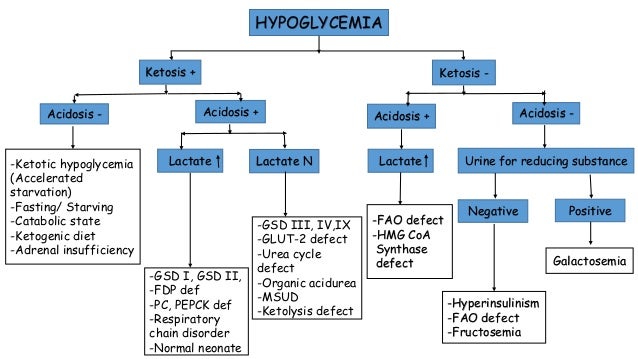 www.slideshare.nethypoglycemia
What Is Hyperglycemia? - Health N Well.com
 healthnwell.comhyperglycemia healthnwell
Hypoglycemia in children. Hyperglycemia healthnwell. Use of glucagon and ketogenic hypoglycemia : ketosis and the ketogenic